/// Dispatches from the front
CULTURE
Stories, style guides, and behind-the-scenes dispatches. Streetwear is more than clothes — it's culture.
/// Featured
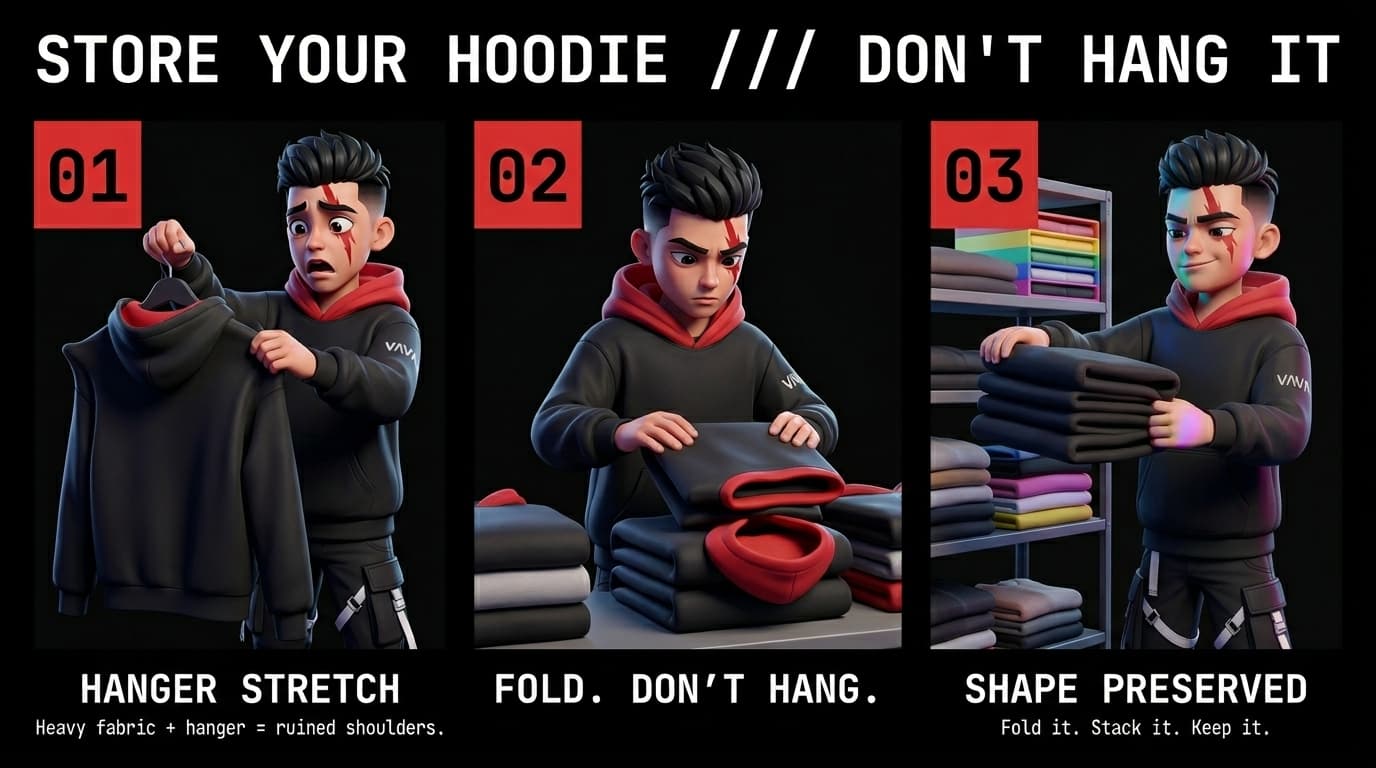
How to Store Heavyweight Hoodies: Preventing Hanger Bump Stretch
Storing heavyweight hoodies (350+ GSM) requires folding them flat or using specialized rolling methods rather than hanging them on thin wire or plastic hangers. The heavy weight of the thick French Terry or fleece fabric pulling down on a narrow hanger will permanently stretch the shoulder seams, leaving unsightly, pointy "hanger bumps" that ruin the garment's boxy drape.
/// All Stories
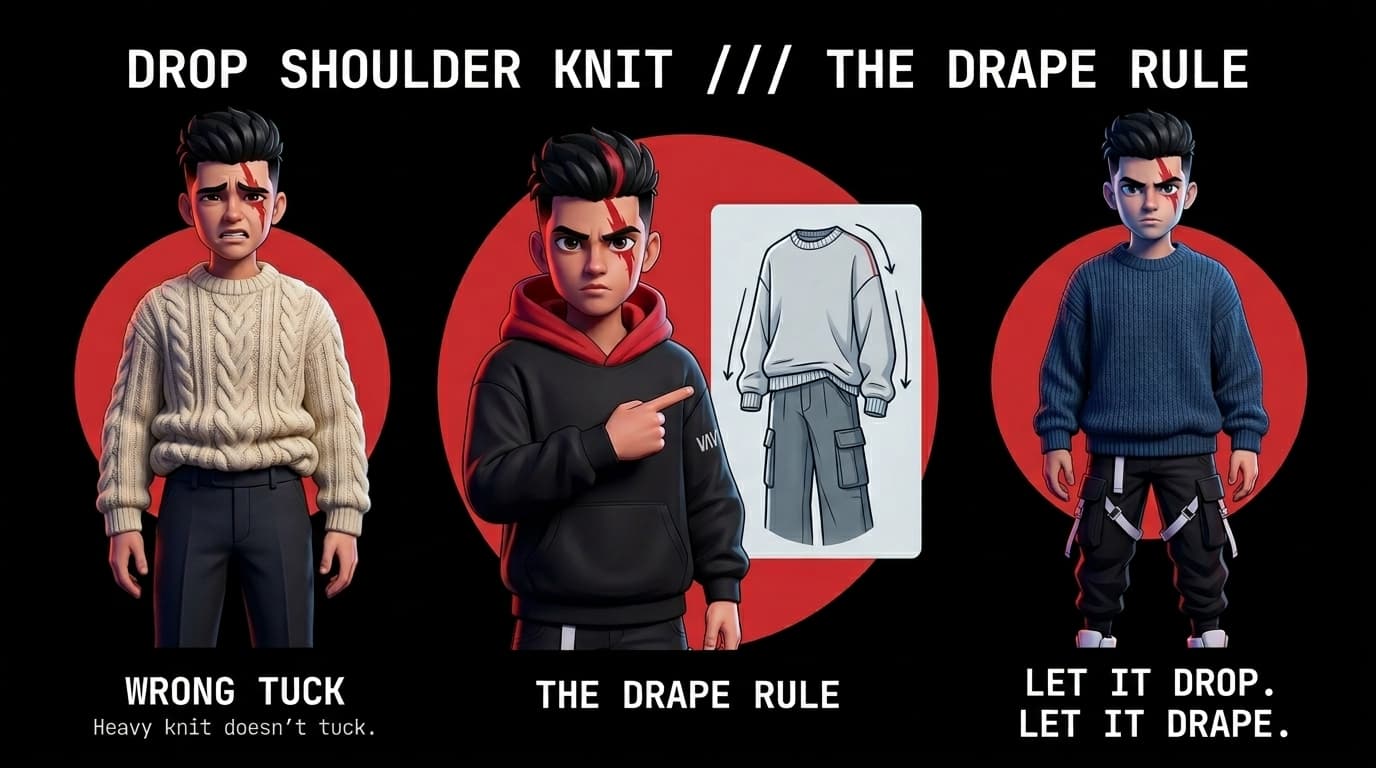
Styling Drop-Shoulder Sweaters: Balance and Proportions in Heavy Knits
Styling drop-shoulder sweaters in streetwear requires balancing the slouchy, rounded shoulder volume with structured, straight, or slightly tapered bottom coordinates. This prevents the heavy, oversized knit from overwhelming your natural body frame and turning the silhouette into an amorphous block.
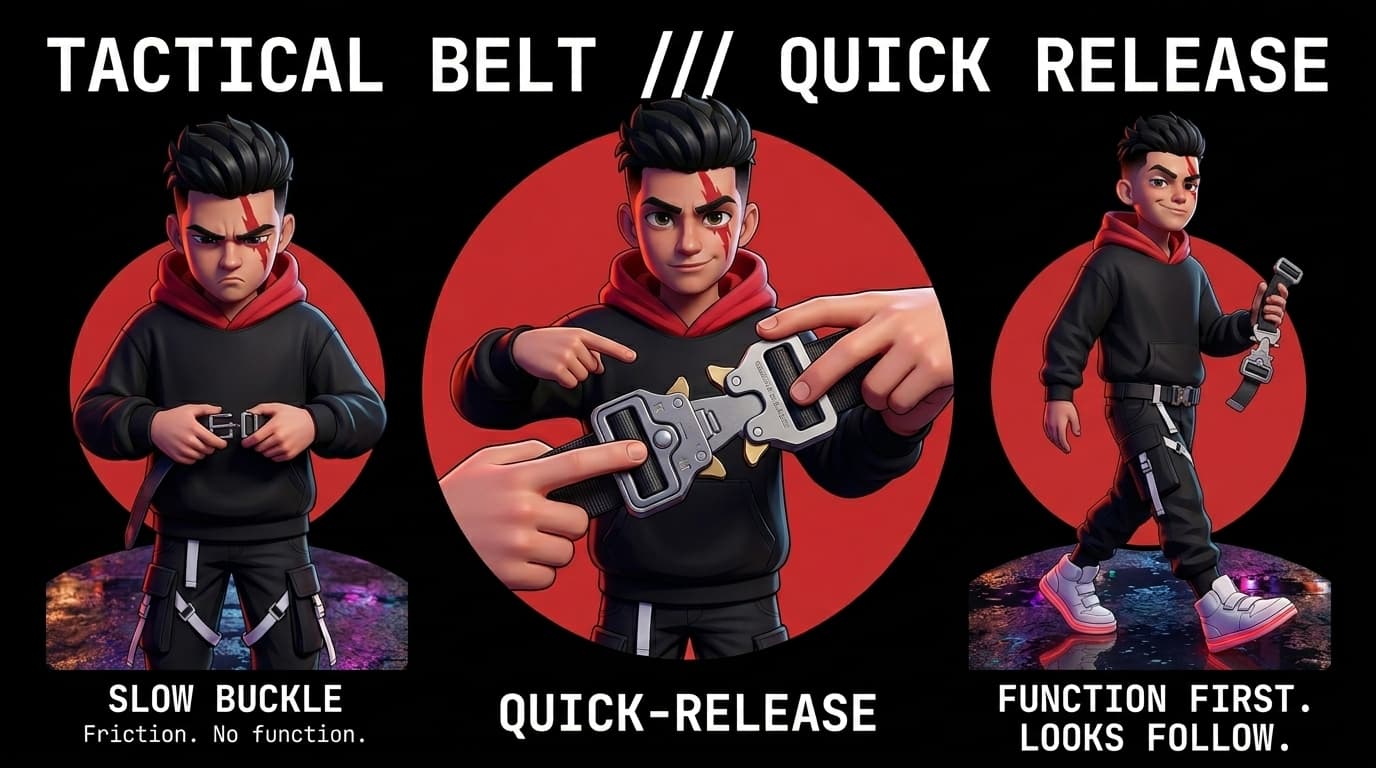
Industrial Belt Webbing: Quick-Release Buckles and Tactical Strap Layouts
Integrating industrial belt webbing and quick-release buckles (like Cobra or roller-coaster buckles) into streetwear adds a tactical, functional utility accent to the waistline. Frame these belts by letting extra-long webbing straps hang loose down the side thigh to break up clean vertical leg lines.
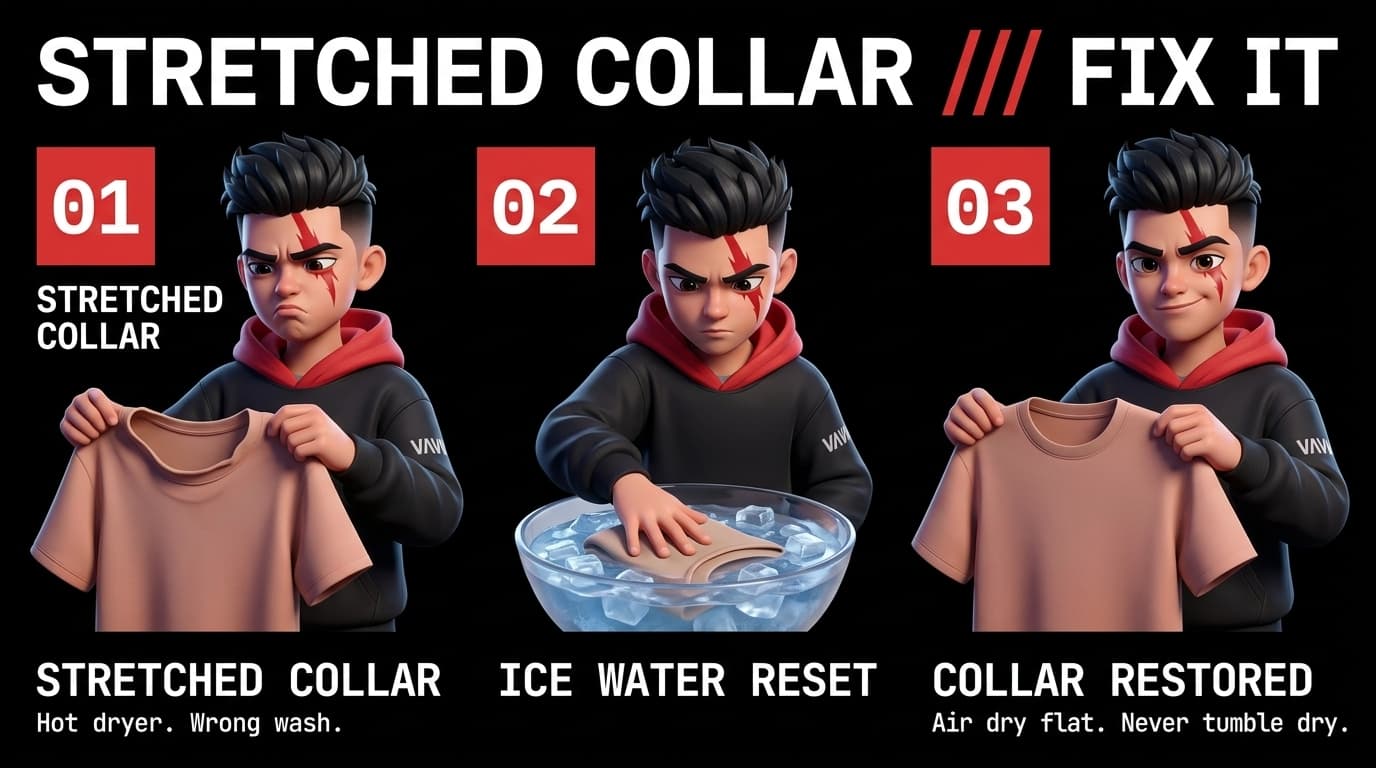
How to Fix a Stretched Crewneck Collar: Restoring Ribbed Neckbands
Restoring a stretched, wavy crewneck collar (often called "bacon collar") requires using heat and moisture to shrink the cotton elastic fibers back into alignment. This is done by dipping the collar in boiling water, shaping it flat, and pressing it with a hot iron to set the ribbing back to its original shape.
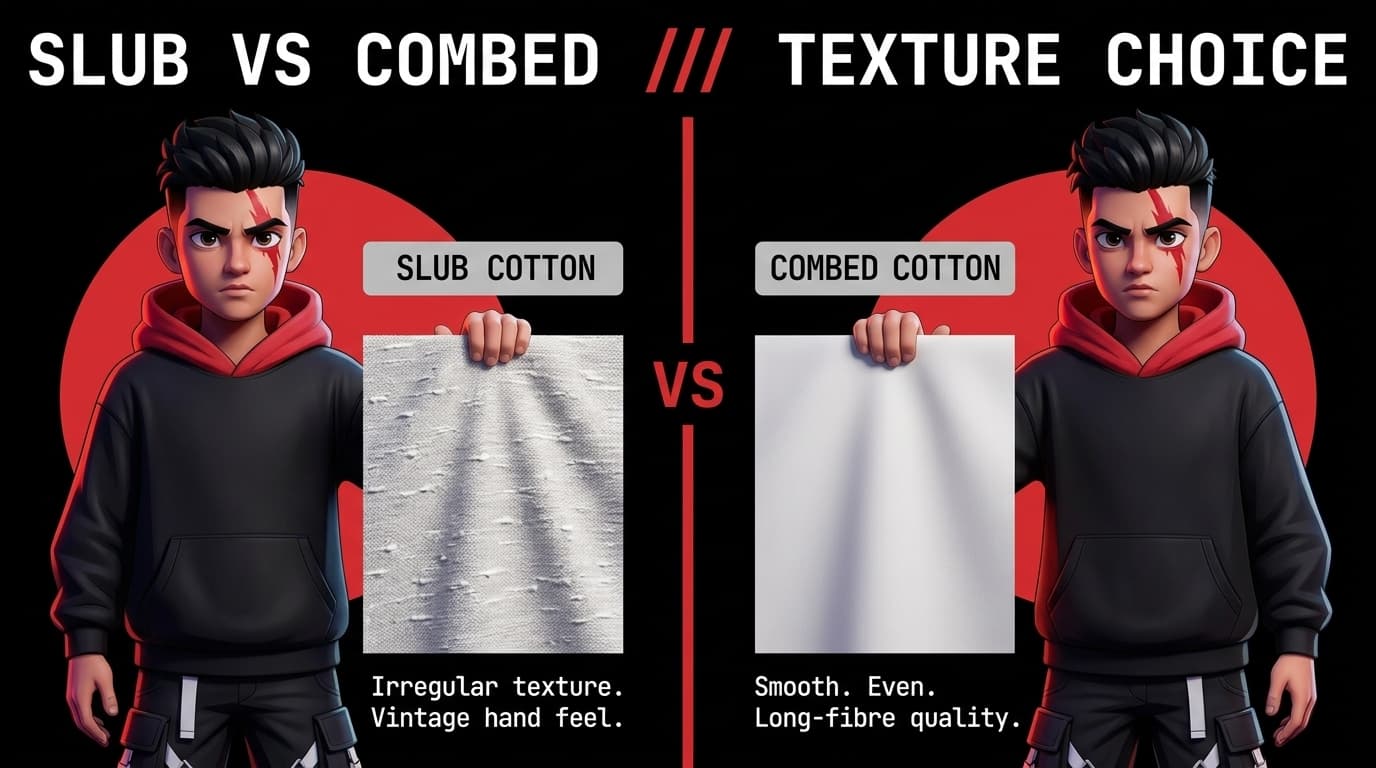
Slub Cotton vs Combed Cotton: Textures and Drape in Heavyweight Tees
Slub cotton features a bumpy, irregular texture with visible horizontal lines created by spinning yarn with varying thicknesses, whereas combed cotton is processed to remove short fibers and align the rest, producing a completely smooth, uniform fabric face. Slub cotton is ideal for organic, distressed looks, while combed cotton is best for sharp graphic prints and clean finishes.
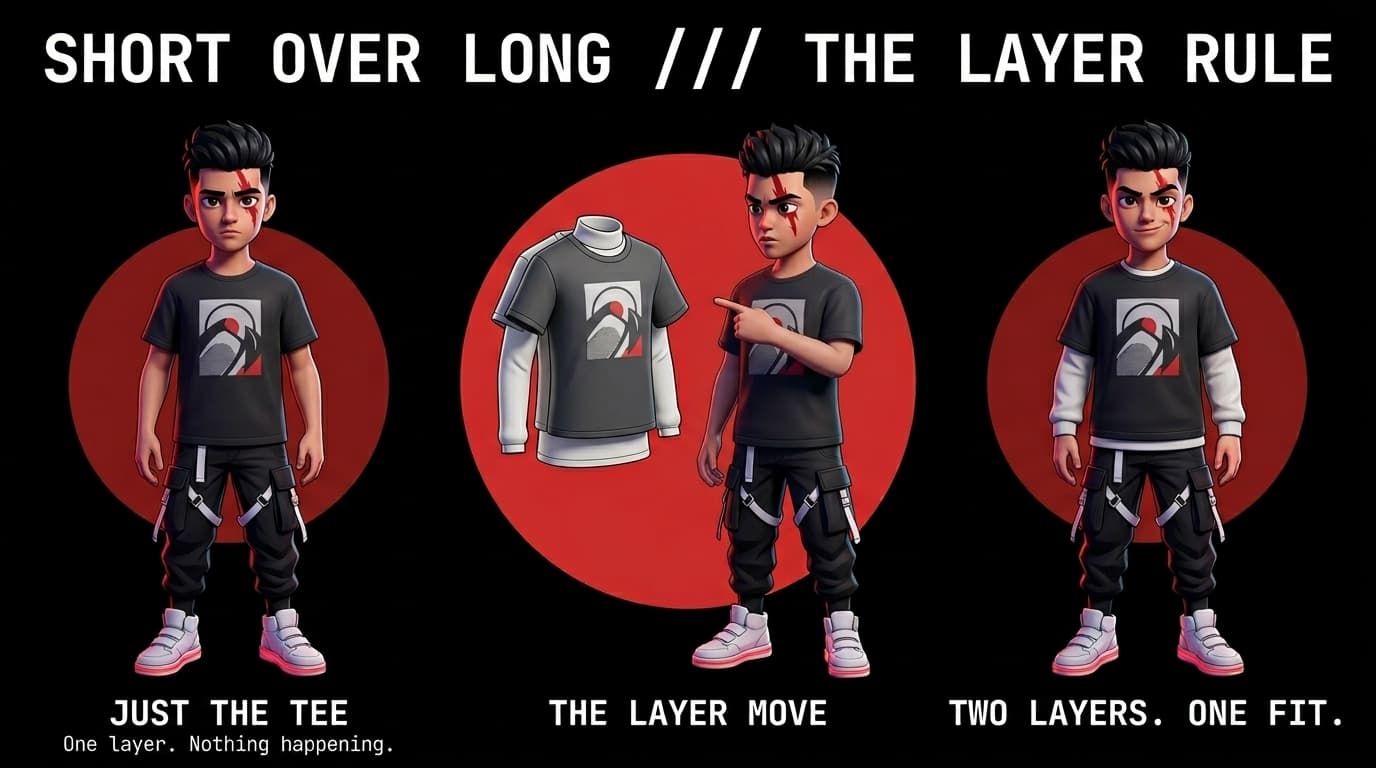
Short-Sleeve Over Long-Sleeve Layering: Proportions and Contrast Rules
Layering a short-sleeve tee over a long-sleeve shirt in streetwear relies on creating a clear proportional and color contrast between the two garments. Use an oversized, boxy, heavyweight short-sleeve tee as the outer layer, combined with a slim or straight-fitting long-sleeve tee or thermal as the base to keep the arms clean.
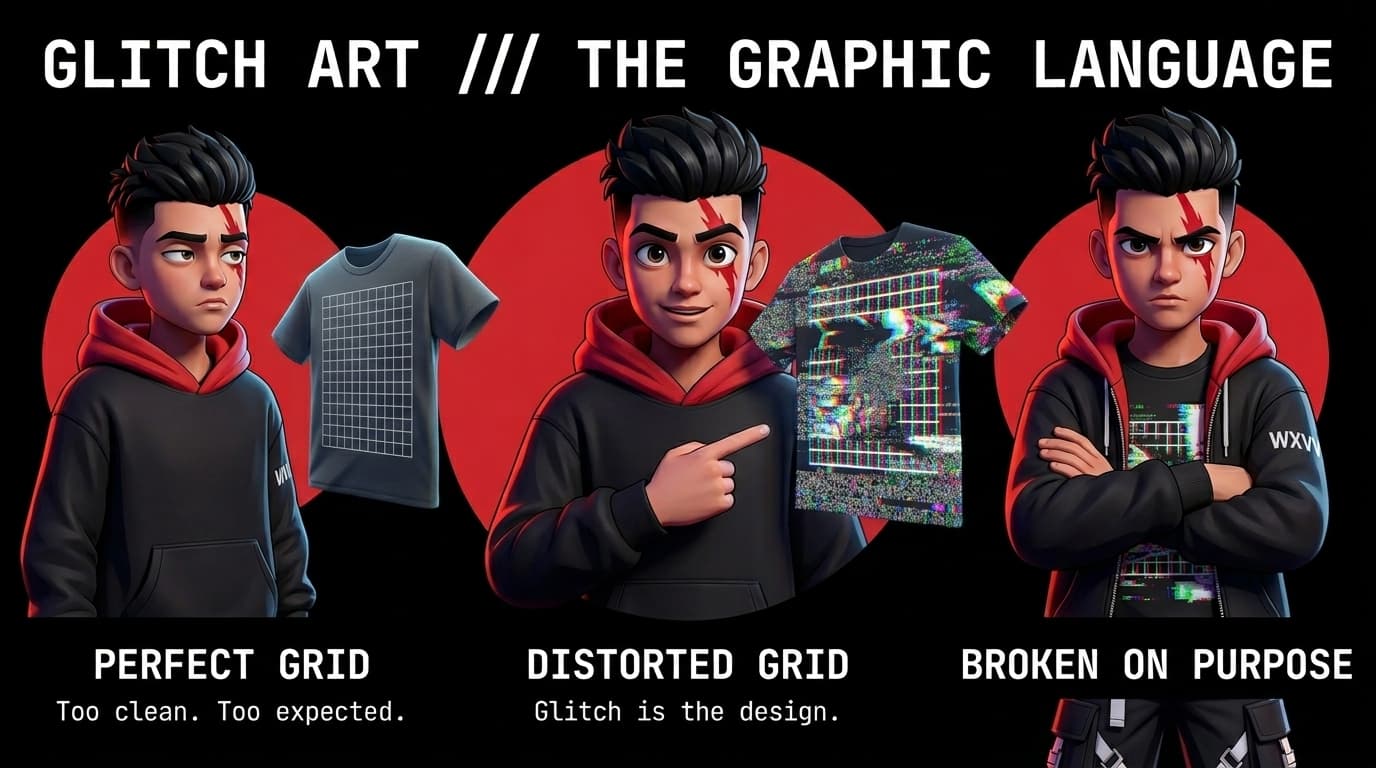
Distorted Grid Graphics: The Visual Language of Glitch Art in Streetwear
Distorted grid graphics and glitch art in streetwear reject clean, commercial layouts in favor of warped perspectives, wireframe models, and pixelated digital errors printed on heavy-weight cotton. This aesthetic channels a cyber-brutalist, anti-perfectionist style inspired by early digital design and terminal interfaces.
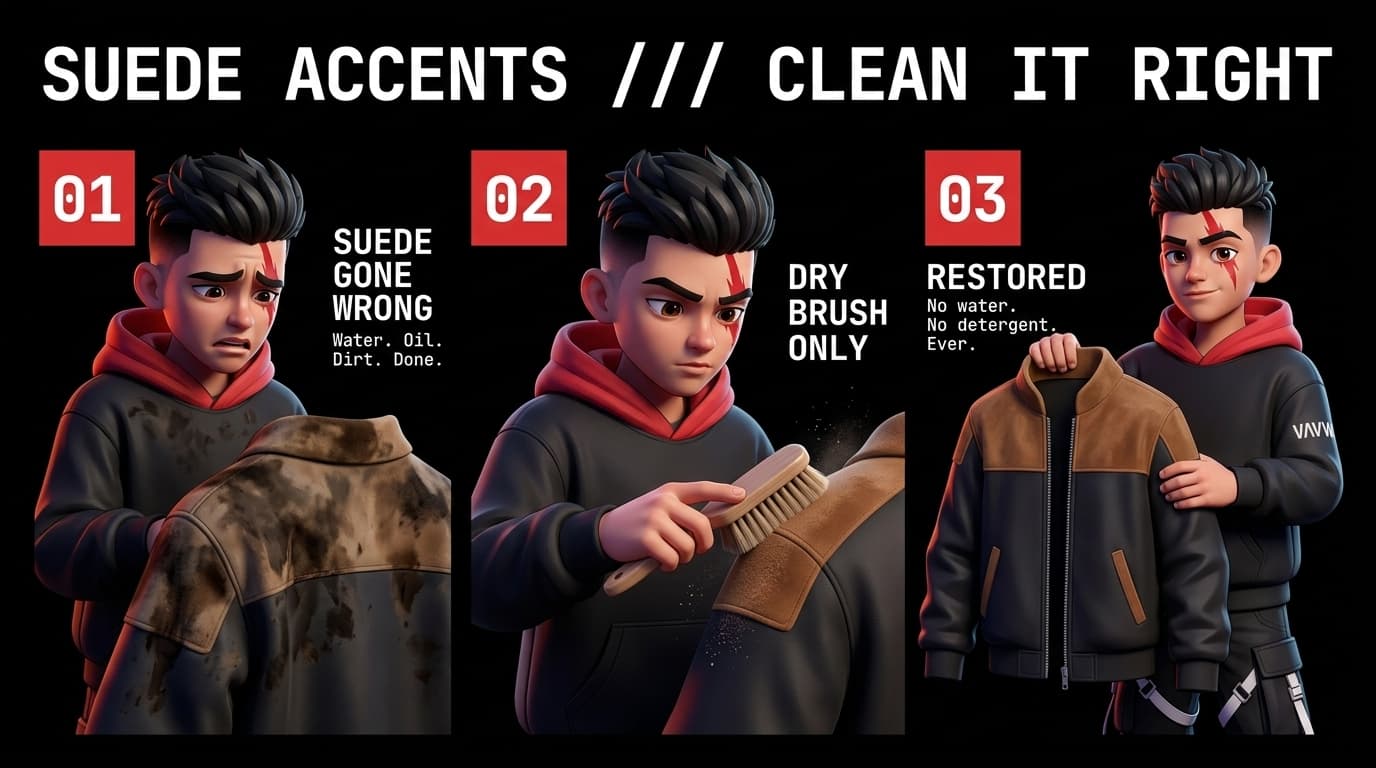
How to Clean Suede Accents: Care Guide for Mixed-Material Streetwear
Cleaning suede accents on mixed-material streetwear jackets requires using dry mechanical cleaning methods like suede brushes and crepe erasers to lift dirt from the delicate nap without wet cleaning the main cotton or synthetic shell. Avoid liquid detergents and water which will permanently flatten and stain the suede fibers.
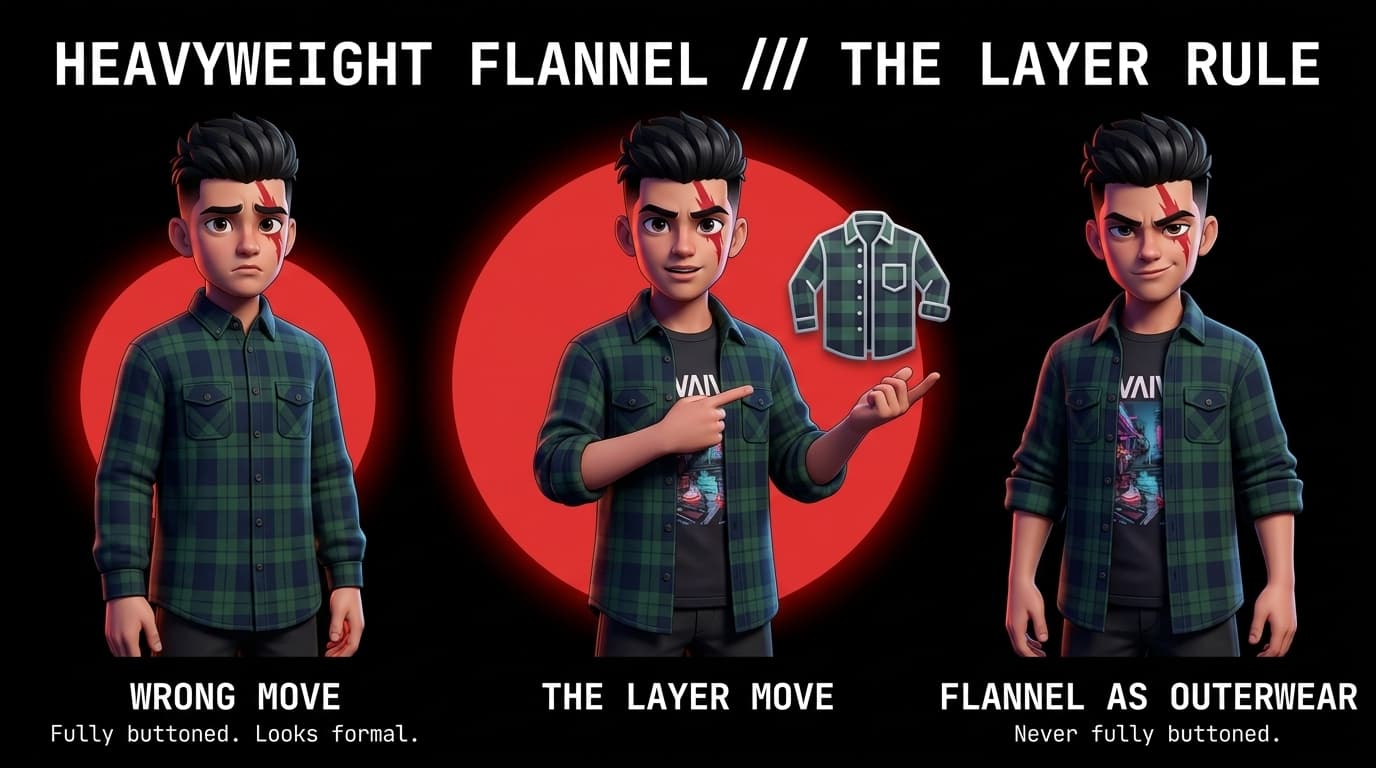
Styling Heavyweight Flannels: The Oversized Plaid Layering Formula
Styling heavyweight flannels in modern streetwear requires choosing oversized cuts, drop shoulders, and thick cotton weights (250+ GSM) layered open over neutral graphic tees or hoodies. Pair them with wide-leg utility cargos or loose denim to establish a balanced, boxy silhouette.
/// VAVVY
Shop Now
Premium Indian streetwear, built for the heat.